


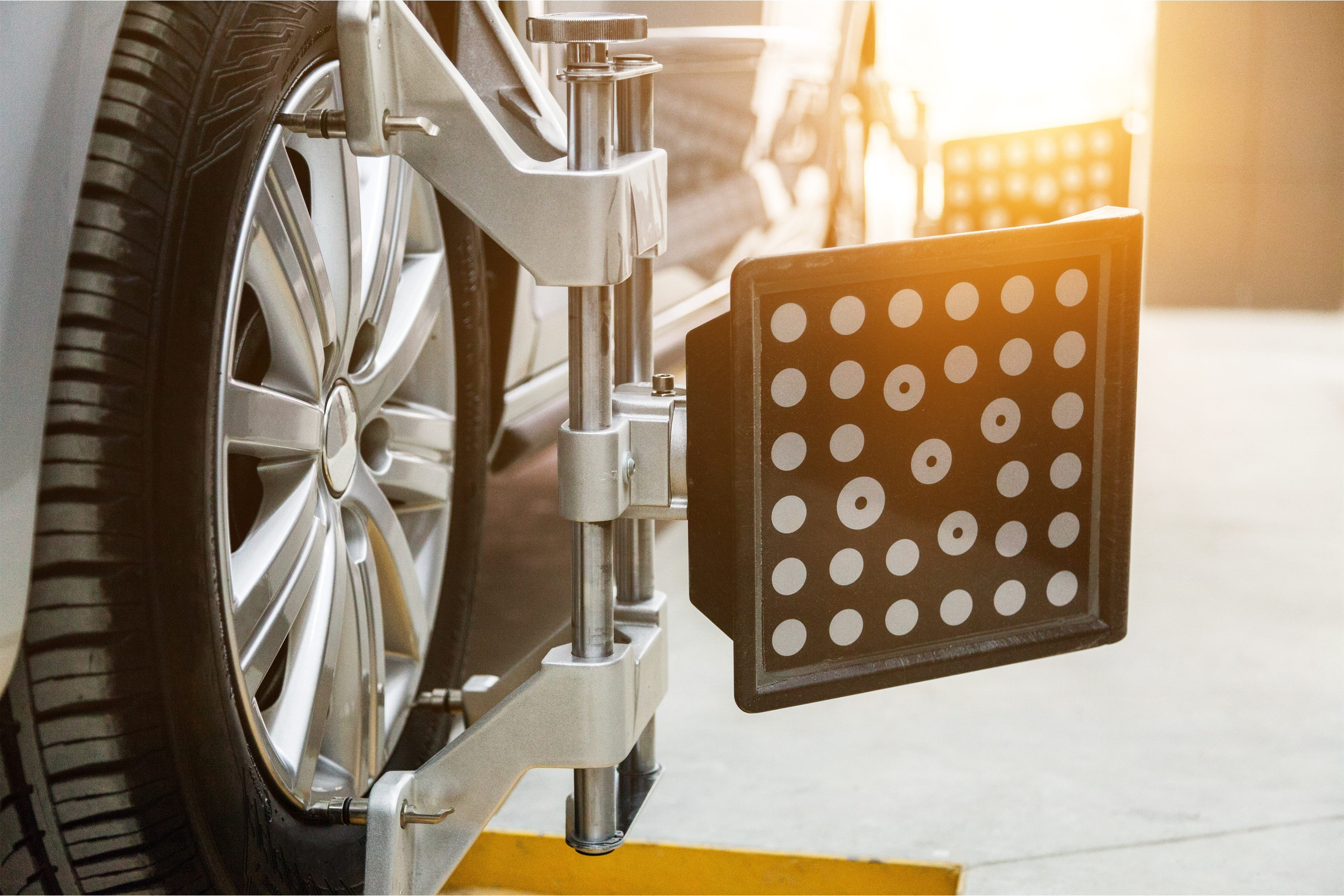
You have picked out new tires, had them installed, and are ready to get back on the road. But before considering the job complete, there is another question worth asking: Should you get a wheel alignment with new tires?
In many cases, having the alignment checked is a smart next step. New tires do not cause alignment problems, but installing them on a vehicle that is already out of alignment can lead to uneven wear on a brand-new set. A Washington mechanic can evaluate the tires, steering, suspension, and alignment to determine whether adjustments are needed.
Should You Get an Alignment Every Time You Buy New Tires?
Having the alignment checked when new tires are installed can help confirm that the wheels are positioned according to the vehicle manufacturer's specifications.
AAA recommends checking wheel alignment when new tires are installed because improper alignment can contribute to premature tire wear and affect vehicle handling.
That does not necessarily mean every vehicle requires an adjustment. An alignment check determines whether the measurements are within specification first. If they are already correct, additional adjustment may not be necessary.
Why Does Alignment Matter for Brand-New Tires?
Think of alignment as giving a new set of tires the correct starting point. If the wheels are positioned incorrectly, portions of the tread may work harder against the road than others.
Proper alignment can help:
- Promote more even tread wear
- Keep the vehicle tracking straight
- Maintain predictable steering and handling
- Prevent an existing alignment problem from wearing new tires prematurely
If you are already investing in new tires, checking the alignment helps address a condition that could otherwise shorten their useful life.
When Is an Alignment Especially Important?
There are situations where having a Washington mechanic check the alignment becomes particularly worthwhile.
Your Old Tires Wore Unevenly
Look at the tires being replaced. If one edge is considerably smoother than the other, or one tire wore differently from the rest, alignment may be part of the problem.
Uneven wear can also come from inflation, suspension, or other issues, so the wear pattern should be diagnosed rather than automatically blamed on alignment.
You Recently Hit a Pothole or Curb
A hard impact can affect wheel alignment even when there is no immediately visible damage.
If you remember hitting a pothole, curb, or other road hazard before replacing your tires, mention it during the inspection. That information can help the technician determine where to begin looking.
Your Steering Wheel Is Off-Center
When the steering wheel sits noticeably left or right while the vehicle is traveling straight, the alignment deserves attention.
Pulling or drifting can also indicate a problem, although those symptoms are not caused exclusively by alignment.
What Happens During a Wheel Alignment Check?
Drivers searching for places that do tire alignment near me may see plenty of options, but understanding what an alignment service should evaluate can help you make a more informed choice.
At Pugh’s Tire & Service Centers, the process involves more than simply looking at whether the wheels appear straight. A technician can:
- Inspect the tires. Tire inflation, condition, and existing wear can provide clues about the vehicle.
- Check steering and suspension components. Worn components may affect alignment and can require attention before adjustments are made.
- Measure the alignment. Wheel angles are compared with manufacturer specifications.
- Make adjustments when necessary. If measurements fall outside the proper range, adjustable components can be corrected.
That broader inspection matters because uneven tire wear or poor handling may have more than one possible cause.
Is Wheel Alignment the Same as Tire Balancing?
No. These services address different problems, even though both are commonly discussed when new tires are installed.
Wheel Alignment
Alignment concerns the angles and position of the wheels relative to the vehicle and road. Misalignment can contribute to pulling, an off-center steering wheel, and irregular tire wear.
Tire Balancing
Balancing addresses how weight is distributed around the tire and wheel assembly. An imbalance is more likely to cause vibration, particularly as speed increases.
New tires are typically balanced during installation, while alignment requires a separate measurement of the vehicle's wheel and suspension geometry.
How Do You Choose an Alignment Shop?
When comparing places that do tire alignment near me, the goal should be more than finding a shop that can make an adjustment. A useful alignment service should also help determine why the vehicle may be outside specification.
Before scheduling, consider whether the shop can:
- Inspect tire wear and inflation
- Evaluate steering and suspension components
- Compare measurements with manufacturer specifications
- Address related automotive issues if another problem is discovered
That broader diagnostic capability can be especially valuable when the vehicle already has uneven tire wear, pulling, or another handling concern.
Protect Your New Tires at Pugh’s Tire & Service Centers
New tires are an investment in how your vehicle handles and performs on the road. Starting them with the proper alignment can help prevent an existing issue from immediately affecting the new tread. Drivers searching for Pugh's Washington NC can visit Pugh’s Tire & Service Centers for tire, alignment, and automotive services in one location. A Washington mechanic can inspect the vehicle, measure the alignment, and determine whether an adjustment or another repair is actually necessary. If you are installing new tires or have noticed uneven wear on your current set, schedule an appointment with Pugh’s Tire & Service Centers to have the alignment checked.


