


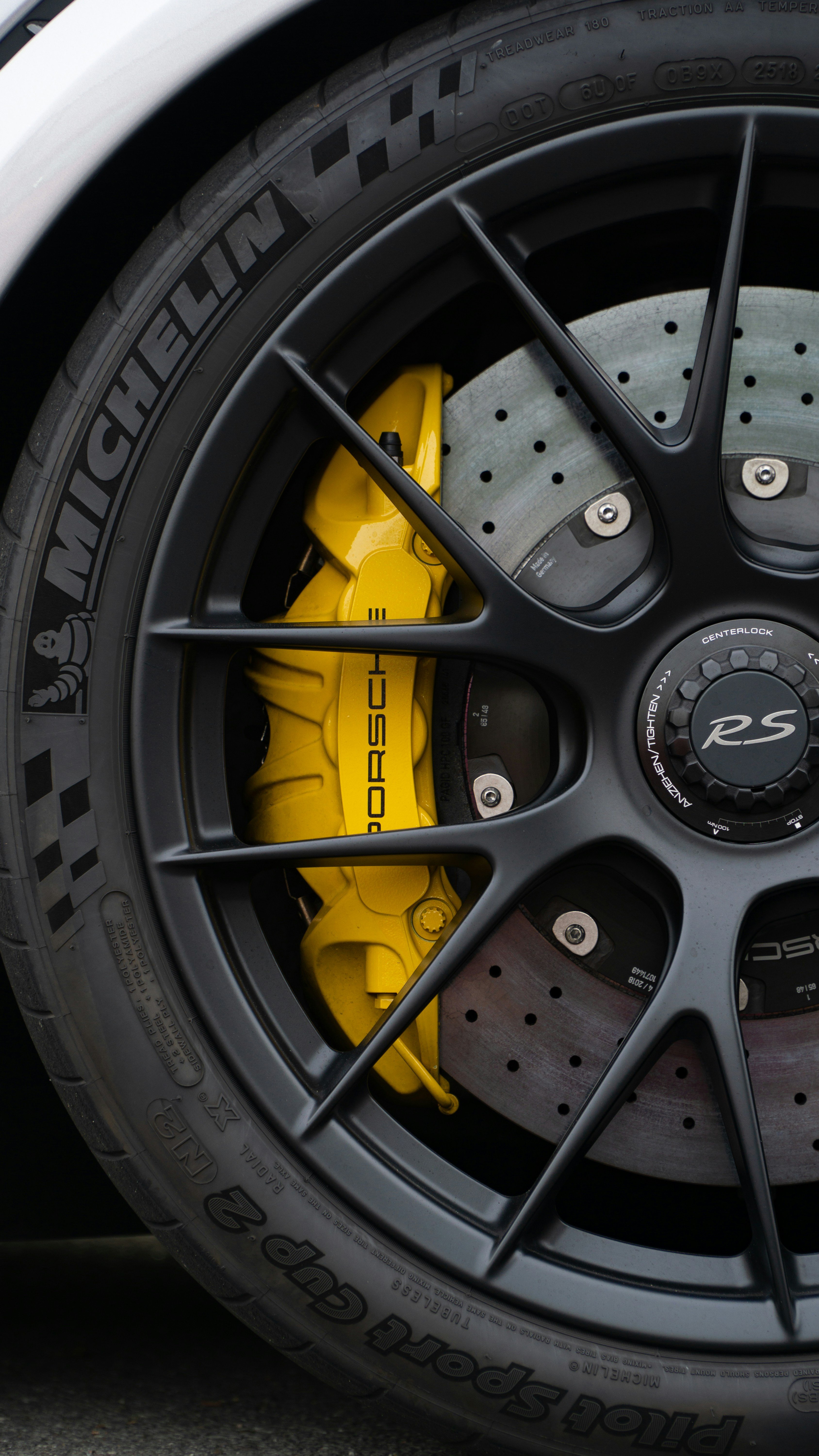
At Pugh's Tire & Service Centers, customers often ask what the numbers and letters on the side of a tire mean. While they may look confusing, those markings provide valuable information about a tire's performance, age, and tread life. Understanding how to read them can help you compare your options and choose quality tires Greenville NC drivers can rely on. Here's what you should know before purchasing your next set of tires.
What Your Tire Ratings Tell You
Most passenger tires sold in the United States carry a Uniform Tire Quality Grading (UTQG) rating on the sidewall. According to the National Highway Traffic Safety Administration, this rating measures three important characteristics: tread wear, traction, and temperature resistance.
The tread wear grade is a comparison, not a mileage guarantee. A tire with a tread wear grade of 400 is designed to last about four times longer than the control tire used in government testing. While a higher number often indicates a longer-lasting tire, different tread compounds can affect handling, comfort, and traction.
The traction grade measures how well a tire can stop on wet pavement and is rated from AA to C. At Pugh's Tire & Service Centers, we often explain that this rating is especially important for Eastern North Carolina drivers, where frequent rain can make road conditions more challenging.
The temperature grade indicates how well a tire dissipates heat during normal driving. Between summer humidity, hot pavement, and highway travel on roads like U.S. 264, choosing a tire with an appropriate temperature rating can be especially important, particularly if you regularly tow a trailer or carry heavy loads.
Check Your Tire's Manufacture Date
In addition to the tire's performance ratings, it's important to know when it was manufactured. The Department of Transportation (DOT) identification number ends with four digits that indicate the week and year the tire was made. For example, a tire marked 0308 was manufactured during the third week of 2008.
According to the National Highway Traffic Safety Administration, some vehicle and tire manufacturers recommend replacing tires after six to ten years, regardless of how much tread remains. That's why it's a good idea to check the age of all your tires, including the spare, as part of your routine vehicle maintenance.
Choosing the Right Tire for Your Vehicle
Understanding the information on your tire's sidewall is a great starting point, but selecting the right tire also depends on how and where you drive. Whether you commute daily, take frequent highway trips, or tow a trailer on weekends, the right tire can make a difference in performance and longevity.
At Pugh's Tire & Service Centers, our team takes the time to learn about your driving habits and recommends options that fit your vehicle and your needs. We've proudly served Eastern North Carolina since 1945 and carry trusted brands including:
- Michelin
- BFGoodrich
- Bridgestone
- Firestone
- Goodyear
- Uniroyal
- Falken
- Kelly Tires
- Fuzion
Once you've selected your tires, proper installation is just as important as choosing the right set. Our experienced technicians provide professional mounting, balancing, and alignment services to help promote even tread wear, improve handling, and help you get the most out of your investment.
Professional Tire Installation and Service
The right tires can make a difference in your vehicle's safety, performance, and comfort. At Pugh's Tire & Service Centers, we take the time to explain your options, recommend quality tires Greenville NC drivers can depend on, and provide professional installation to help you get the most from your investment. Visit our Greenville tire shop or speak with a mechanic Greenville NC drivers trust at one of our six convenient locations. We're ready to help you find the best fit for your vehicle.


